Cationic Polyacrylamides for High-Performance Water & Sludge Treatment
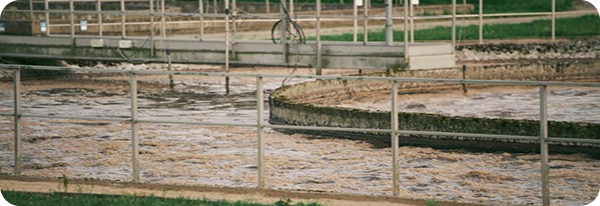
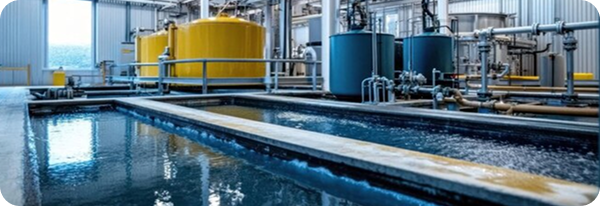
Cationic Polyacrylamide (Cationic PAM) formulations are made for powerful sludge thickening, dewatering, and water clarification, especially where high organic loads or biosolids are present.
With advanced polymer architecture, high cationic charge density, the cationic range delivers consistent flocculation performance in municipal and industrial wastewater treatments.
Whether operating centrifuges, belt presses, or gravity thickeners, these polymers help reduce sludge volume, minimize polymer use, and improve filtrate clarity, all while supporting the operational and sustainability KPIs.
What Sets Cationic PAMs Apart
Whether you’re handling high-shear dewatering or slow-settling sludges, we have the right cationic PAMs.
Every product is developed with long-term plant performance in mind, balancing dewatering efficiency, filter throughput, and environmental compliance.
Key Features and Benefits
Here’s what makes PolyPAM’s Cationic PAM formulations trusted:
Versatile Structure Profiles
Available in linear, crosslinked, and hyperbranched forms for various viscosities and system needs.
Custom Molecular Design
Tailored polymers to match water chemistry, salinity, temperature, and process flow.
Thermal and Chemical Stability
ATBS and AMPS variants ensure performance even in high salinity and high temperature environments.
Strong Flocculation Efficiency
Rapid binding and settling of suspended solids even in high-load or low-temperature systems.
Eco-Focused Options
Formulations that reduce sludge production and comply with global discharge standards.
Use Cases
Our cationic polymers are engineered for applications across sectors such as:
Municipal Wastewater Facilities
Sludge thickening
Anaerobic digestate dewatering
Optimizing primary and secondary sludge performance
Industrial Process Water
Food and beverage industry waste
Paper and pulp sludge clarification
Brewery and dairy effluent systems
Oil & gas produced water
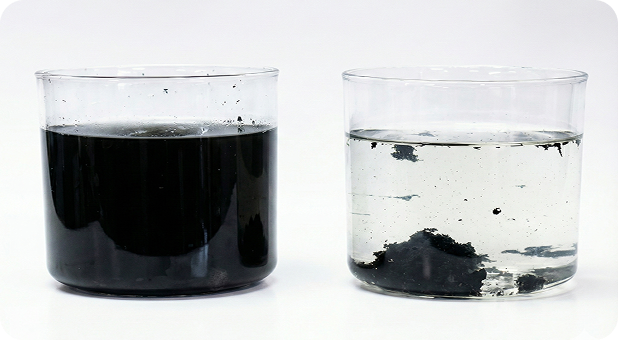
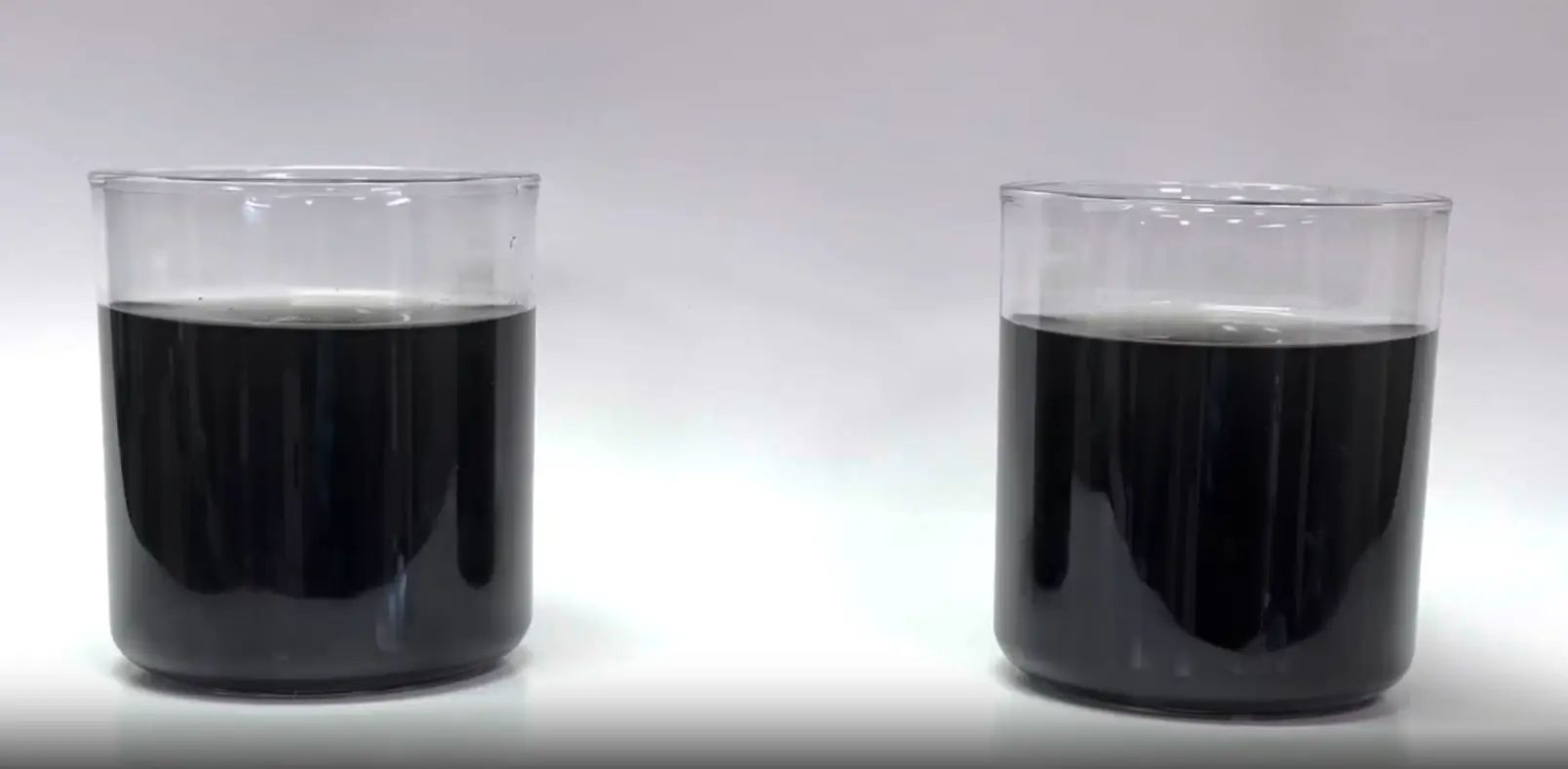
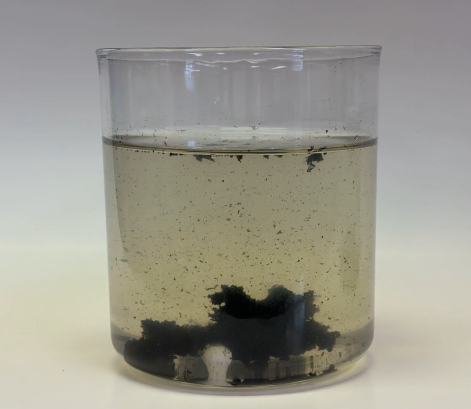
Before and After
Cationic PAM applied to a wastewater batch from a thickening process.
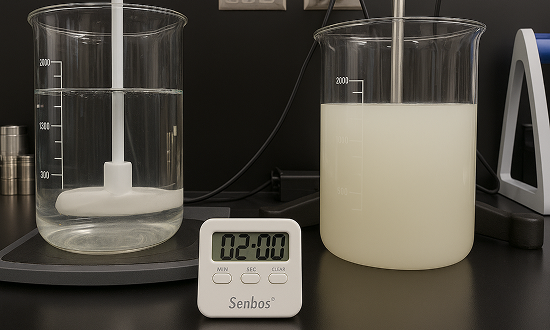
A comparison of a commercial cationic PAM (right) and our cationic PAM (left) applied at half the dose to a wastewater batch from a thickening process.
High speed video of our Cationic PAM applied to a wastewater batch from a thickening process.
Let’s Talk!
Looking to improve dewatering rates, reduce polymer usage, or comply with stricter effluent norms?
Cationic PAM increases floc size and integrity, enabling faster water release and drier sludge cakes. This reduces disposal volume and associated costs.
The choice to select the best Cationic PAMs for a plant depends on several factors, such as sludge composition, solids content, dewatering equipment type, pH levels, and regulatory requirements.