With Ultra-high molecular weight variants, eco-friendly modifications, and structural tuning capabilities, the Anionic PAM product line supports reliable polymer flooding operation outcomes across high permeability and low permeability reservoirs, as well as Hydraulic Fracturing operations.
These polymers work across diverse pH ranges, and harsh environments, all while reducing chemical consumption and improving throughput.
Key Features and Benefits
Here’s what makes PolyPAM’s Anionic PAM formulations trusted:
Versatile Structure Profiles
Available in linear, crosslinked, and hyperbranched forms for various viscosities and system needs.
Custom Molecular Design
Tailored polymers to match water chemistry, salinity, temperature, and process flow.
Improved High-Shear Resistance
Anionic PAM Copolymers exhibit resistance to high-shear and are well suitable for such applications.
Thermal and Chemical Stability
Anionic PAM Copolymer variants enhance performance in high salinity and high temperature environments.
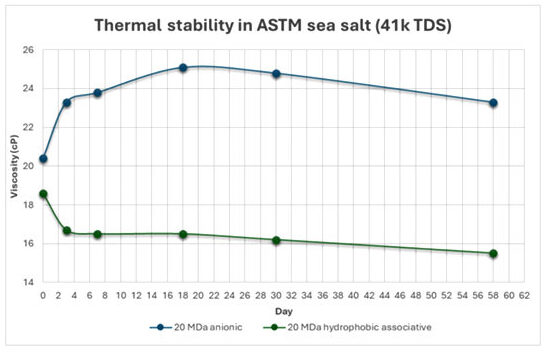
Graph shows viscosity measurements (100 1/s shear rate) of Anionic PAM Copolymer and Hydrophobic Associative Terpolymer formulations in Sea Salt stored long-term in 80oC environment. Both formulations showed stable viscosity over the 60 days incubation period.
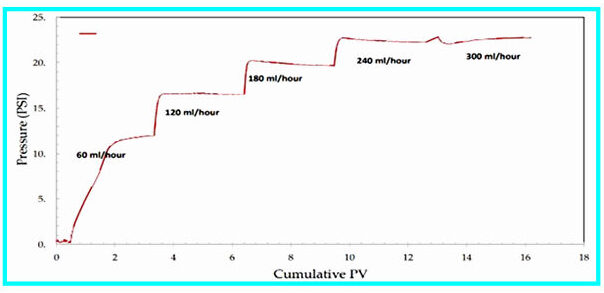
The injectivity test for PolyPAM formulation shows high flowrates without fluctuating pressure. The polymer uniform structure due to controlled polymerization ensures smooth flow, no pressure fluctuation, and well-maintained permeability without blocking (exhausting) the pores.
Best-Performing Anionic PAMs
Whether you need Polyacrylamide for polymer flooding in high temperature, quick dissolution, or high viscosity polymers in harsh conditions, our team can guide you to the proper formulation.
Our eco-friendly technology is especially suited for R&D teams seeking to reduce their chemical footprint while improving treatment reliability.
Let’s Talk!
Partner with us to reduce chemical loads, improve operational control, and meet your environmental targets with polymers that are built to perform.
Anionic PAM carries a negative charge, mainly used in enhancing oil & gas operations such as fracking and polymer flooding. Cationic PAM works best for flocculation.
Yes. The ATBS and AMPS anionic polymers maintain viscosity in high temperature and salinity environments making them ideal for EOR applications in challenging reservoirs.