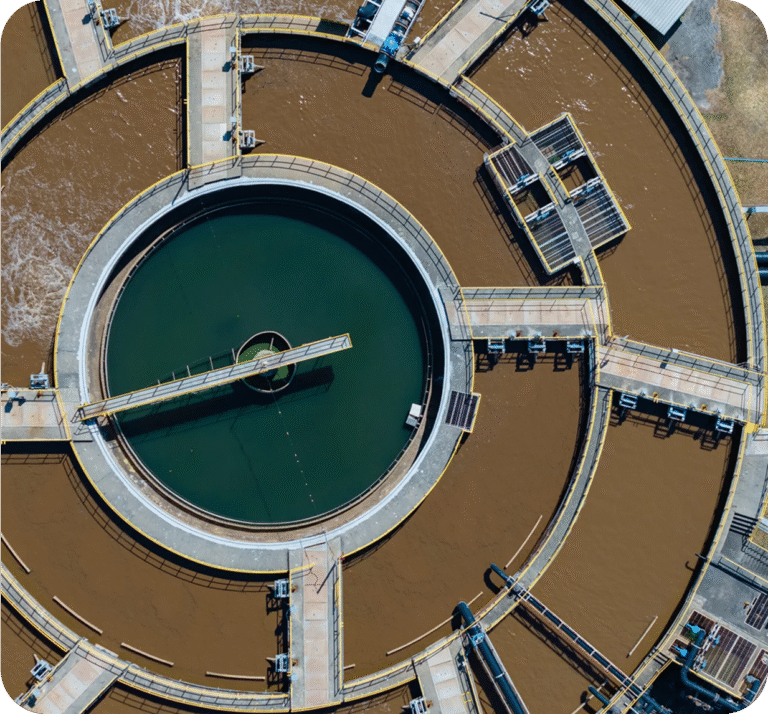
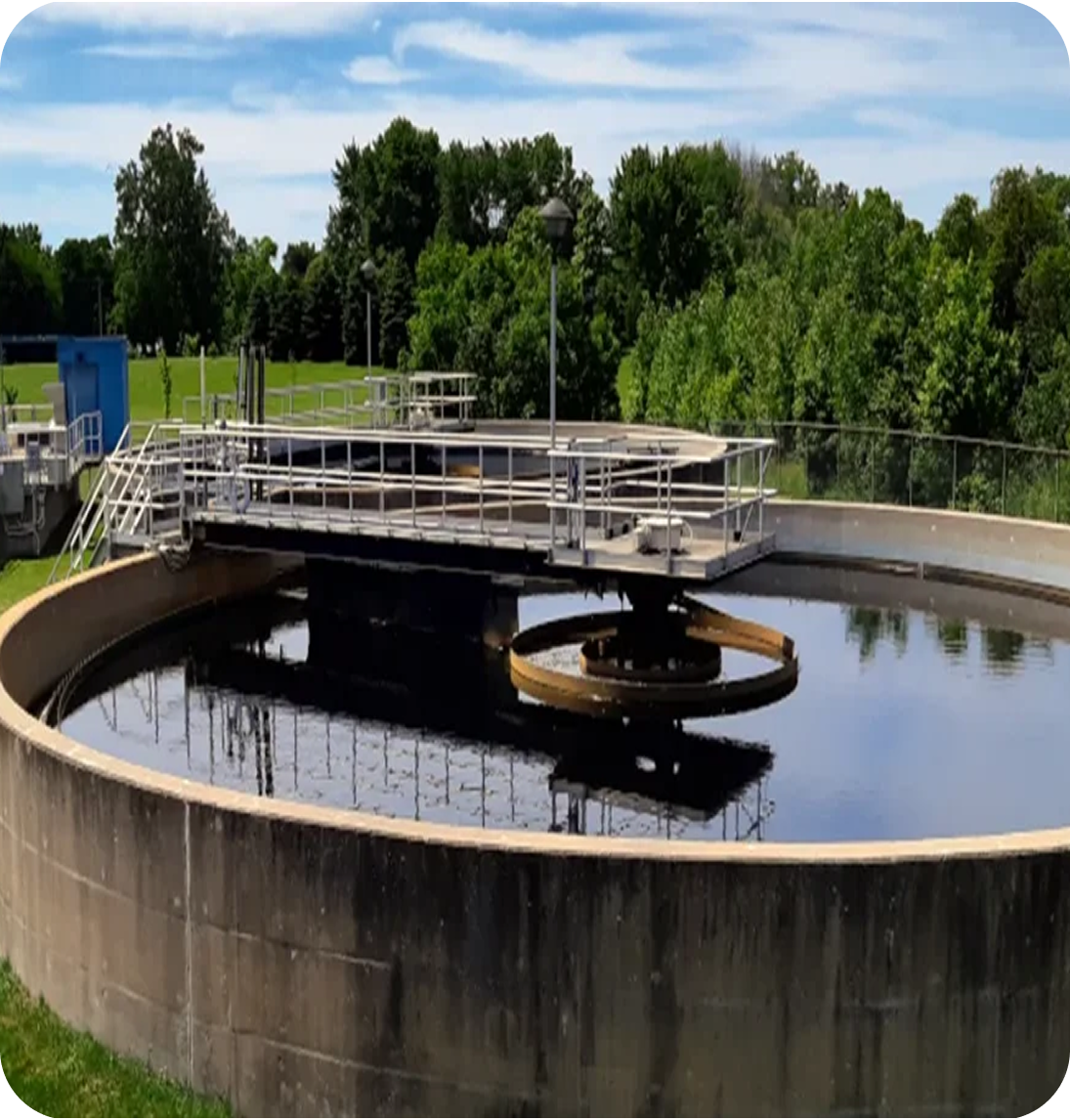
Our UV RAFT PolyPAM is designed to clarify water by removing suspended solids, making it a top choice for municipal wastewater treatment and wastewater treatment operations.
It targets and binds fine particles, colloids, and organic contaminants for fast, clean separation and improved effluent quality.
It also offers compatibility with a wide range of influent conditions, from municipal to heavy loads, reducing treatment variability.
Flocculation Efficiency
As an innovator of advanced flocculant polymers, we deliver rapid, strong, and stable floc formation across a wide range of water chemistries.
It accelerates the sedimentation process by efficiently aggregating suspended solids, resulting in clearer water and reduced sludge volume.
This efficiency reduces the need for coagulants and secondary additives, streamlining treatment processes and lowering chemical dependency.
Sludge Dewatering & Filtration
We enhance solid-liquid separation, making sludge dewatering more effective and cost-efficient, particularly when utilizing low-dosage polymers in municipal settings.
It increases the dryness of sludge cakes, reducing the volume and weight of waste sent to landfills or incineration, saving on transport and disposal costs.
The performance also improves in filtration systems, such as belt presses, centrifuges, and filter presses, by increasing throughput and facilitating the clean release of the dewatered sludge (or cake) from the equipment.
Let’s Talk!
Partner with us to reduce chemical loads, improve operational control, and meet your environmental targets with technology that is built to perform.
Polyacrylamide improves the efficiency of sludge dewatering by enhancing solid-liquid separation. It helps produce drier sludge cakes, reduces disposal volume, and lowers handling and transport costs in wastewater treatment operations.